
2013-2014
Montessori classroom pilot
Kindergarten-eligible children learned the tools through theater games and visual arts activities. Teachers observed stronger feeling-language, attention, focus, and peer interaction.
We use cookies to improve the site. Privacy Policy
Healing & Discovery Foundation
Founded 2016
Healing & Discovery Foundation is a 501(c)(3) nonprofit focused on bringing social and emotional education, along with the practical tools of The Paradox Process, into schools and youth programs.
The mission is direct: help young people understand what they feel, manage negative emotions, and create new choices for their lives.
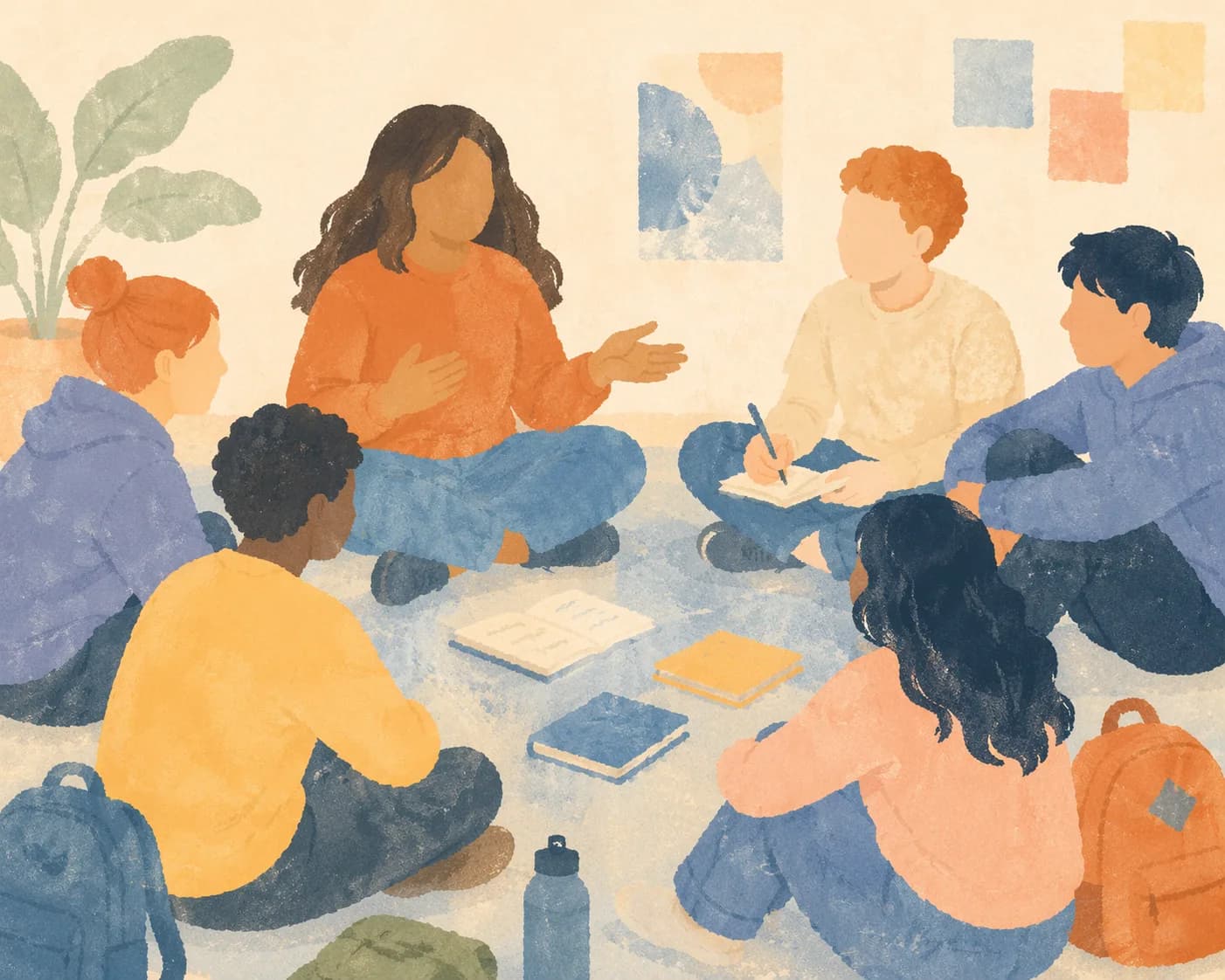
The Foundation's work is about bringing usable emotional tools into real rooms, with real students, through teaching that can actually be practiced.
SCHOOL-BASED LEARNING
Public charity status
Healing and Discovery Foundation, Inc. is a nonprofit, tax-exempt charitable organization under Section 501(c)(3) of the Internal Revenue Code. Donations are tax-deductible as allowed by law.
What The Foundation Does
The Foundation exists to bring emotional education and practical feeling-management tools into schools, then make that work understandable to the families, donors, and partners who want to support it.
Healing & Discovery Foundation envisions a world where every individual receives an emotional education and the tools to manage negative feelings as part of their educational curriculum.
The long-term ambition is to make emotional education as expected and essential as reading, writing, and math.
01
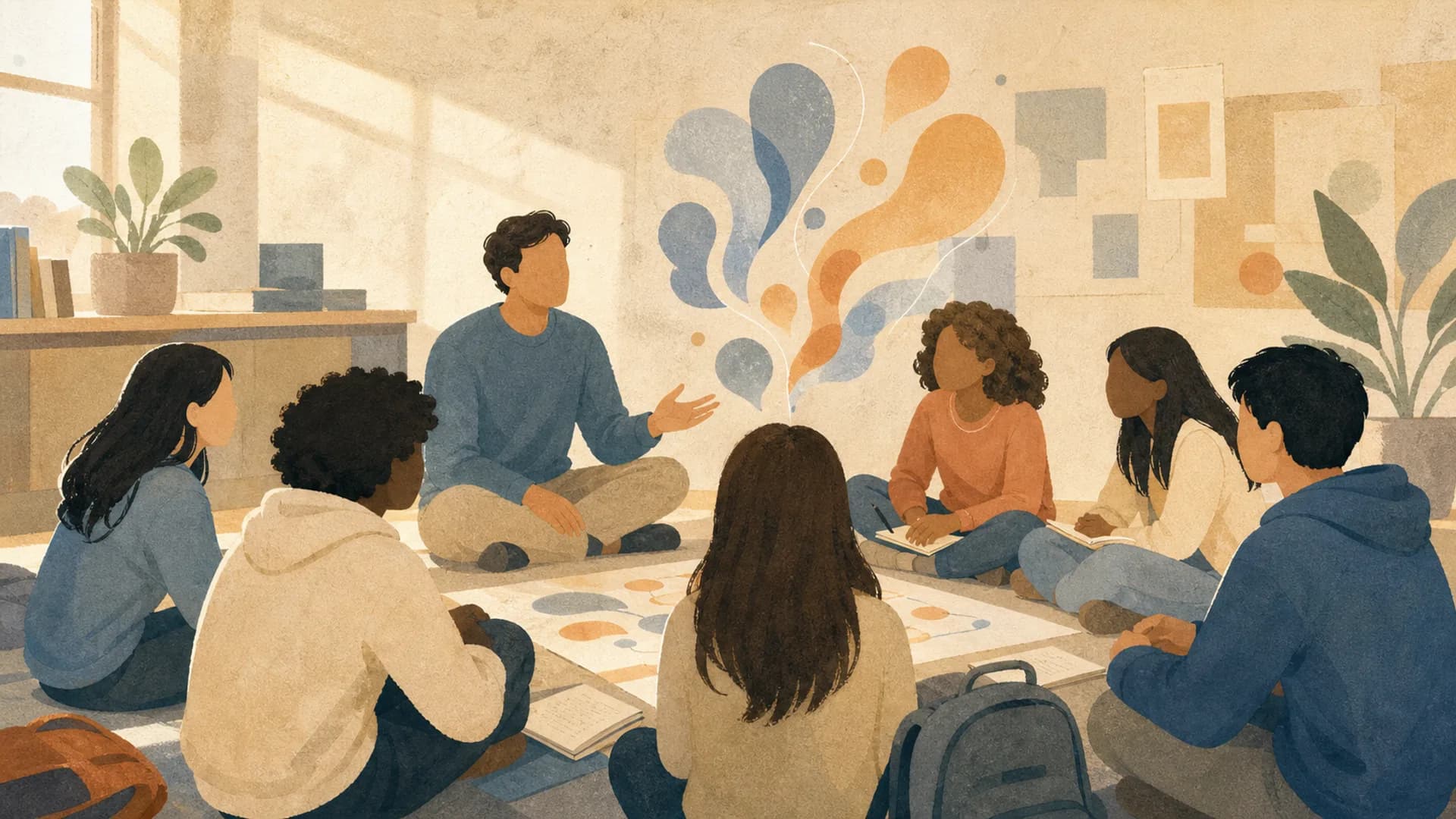
The Foundation supports schools and youth-serving partners with a curriculum designed to make emotional understanding part of everyday education, not an afterthought.
02
The curriculum gives students a practical explanation of how emotions drive choices, reactions, confidence, conflict, and possibility.
03
Using The Paradox Process, participants learn to identify, communicate, and change negative feelings and perceptions into more constructive action.
Who the work is built for
The work centers young people who need more than academic instruction alone.
Emotional education matters because students are already navigating fear, self-worth, belonging, conflict, and pressure. The question is whether they are given tools for it.
01
Middle school and high school students learning how to navigate pressure, conflict, and self-definition.
02
Young adults and youth populations facing bullying, test anxiety, depression, family strain, peer issues, and fear about the future.
03
Schools and youth programs that want emotional education to be practical, teachable, and usable in real life.
The goal is not inspiration by slogan. It is self-awareness, self-regulation, and the ability to make different choices when feelings run high.
Program / Curriculum
The Foundation's social and emotional curriculum is designed to equip students with a comprehensive understanding of emotions and a framework for turning feeling into clearer behavior. The work teaches the hierarchy of behavior, shows how feelings create action, and gives students a structured way to reframe what feels stuck.
For middle school and high school students, the aim is emotional awareness within themselves and in the world around them. That awareness is meant to help academically, socially, and professionally.
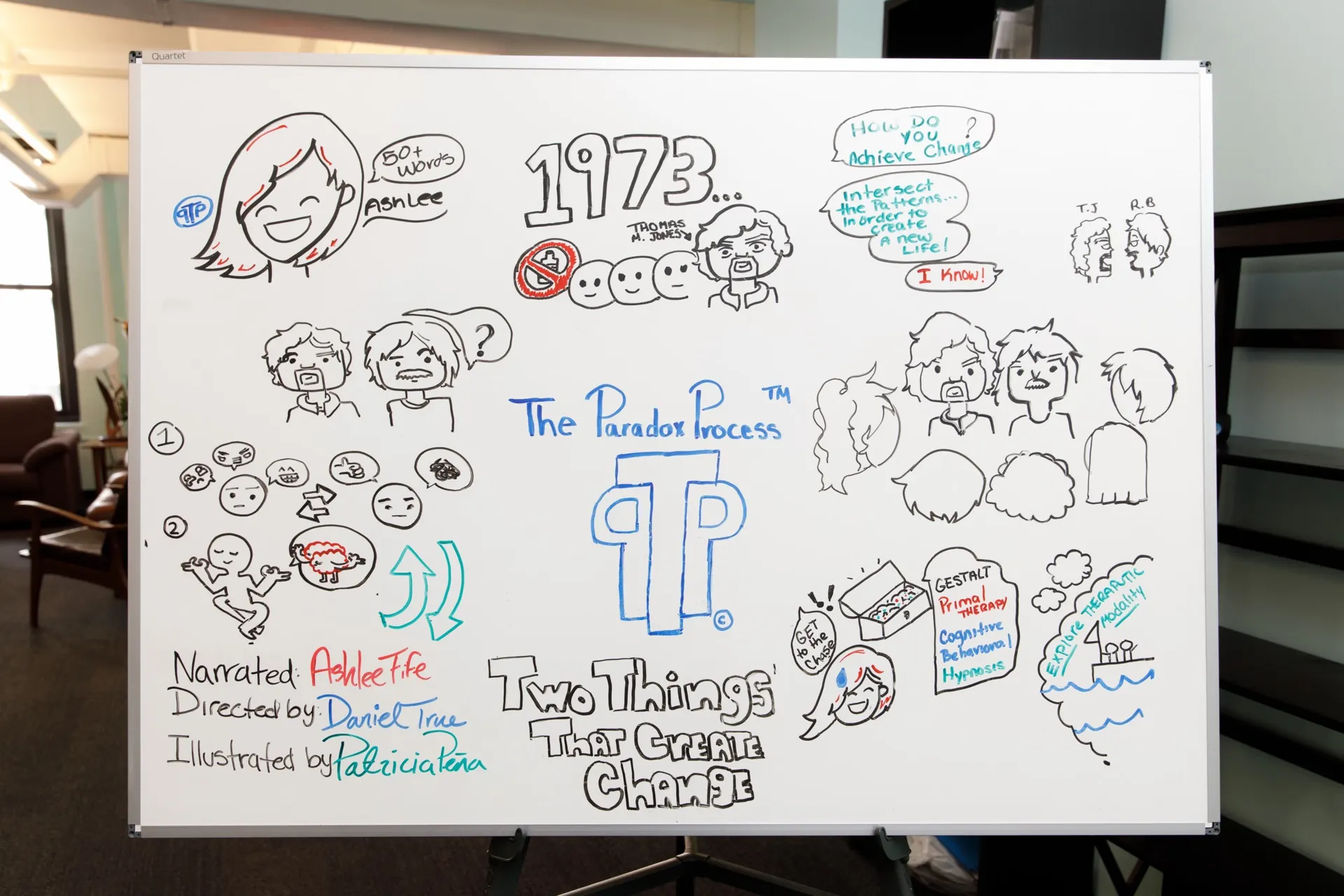
A visual teaching surface can help make emotional dynamics less abstract, more discussable, and easier to practice in group settings.
STEP 1
Students learn to recognize negative feelings, perceptions, and beliefs instead of being run by them.
STEP 2
The curriculum explains how internal emotional dynamics shape conflict, confidence, avoidance, and possibility.
STEP 3
Participants practice identifying, communicating, and changing what they feel in the moment.
STEP 4
The desired result is greater self-sufficiency, healthier decision-making, and a clearer sense of agency.
Proof / Credibility
The Foundation's public record includes classroom pilots, school partnerships, university research, and publication history connected to the curriculum.
2013-2014
Kindergarten-eligible children learned the tools through theater games and visual arts activities. Teachers observed stronger feeling-language, attention, focus, and peer interaction.
2015-2016
A ten-week high school curriculum was delivered with teachers and a school psychologist. Foundation materials report decreases in students' sense of inadequacy and increases in self-esteem and healthy risk-taking.
2018
PhD candidates studied Paradox Process techniques as a stress and anxiety intervention. Participants using the techniques reported more positive affect immediately after the intervention phase than the control group.
2018
The Foundation cites publication in the European Scientific Journal in connection with mindfulness, emotion regulation, cognition, and social skills research related to the Paradox Process.
Funding Impact
A clear donation ask is more trustworthy than a vague one. People should be able to understand what their support helps make possible.
Some donors want to make a first gift. Others want to help underwrite a school-facing program. Both paths should feel easy to understand.
Fund an hour of mentoring
$100
A gift at this level can help fund an hour of mentoring for thirty students.
Help underwrite a semester
$9,000
A gift at this level can help fund one grade level's semester of the curriculum in school.
Support the general fund
Any amount
General donations help the Foundation stay ready for school partnerships, youth-program delivery, and future program growth.
Prefer to talk first? Contact donate@healinganddiscovery.org or call 212-463-9020.
Leadership
The Foundation is led by people directly connected to the Paradox Process work, its curriculum, and its nonprofit operations.

President
New York City psychotherapist and co-creator of The Paradox Process. He co-founded the Foundation to help level the playing field for students so they can thrive academically and socially.

Vice-President
Certified Paradox Process facilitator and program director for the Foundation's social and emotional curriculum. She collaborates with program partners to implement the work in schools and youth settings.
Secretary
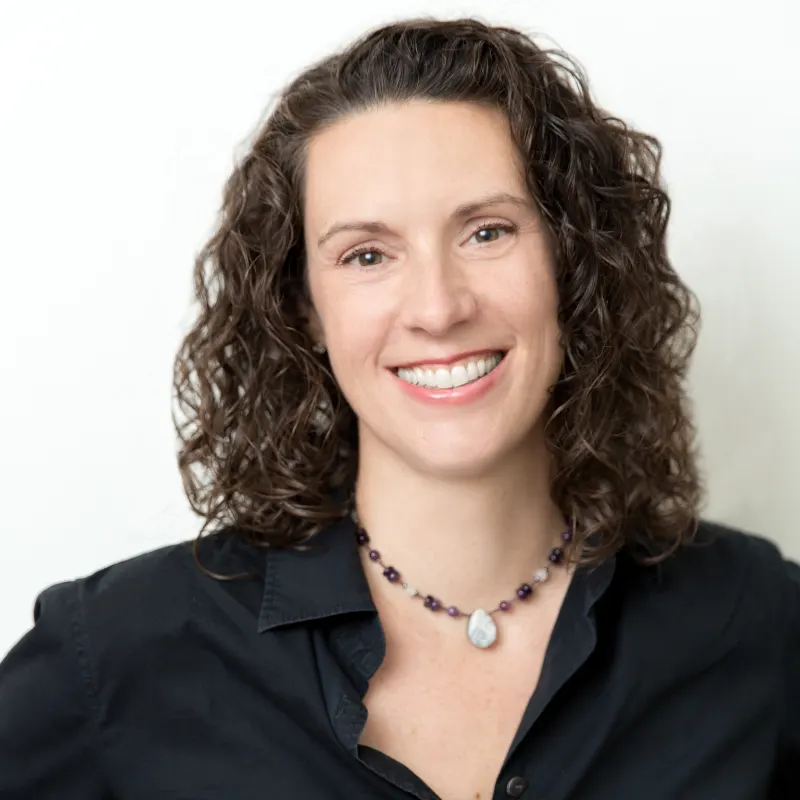
Certified Paradox Process facilitator and program administrator supporting the Foundation's programs and partner coordination.